
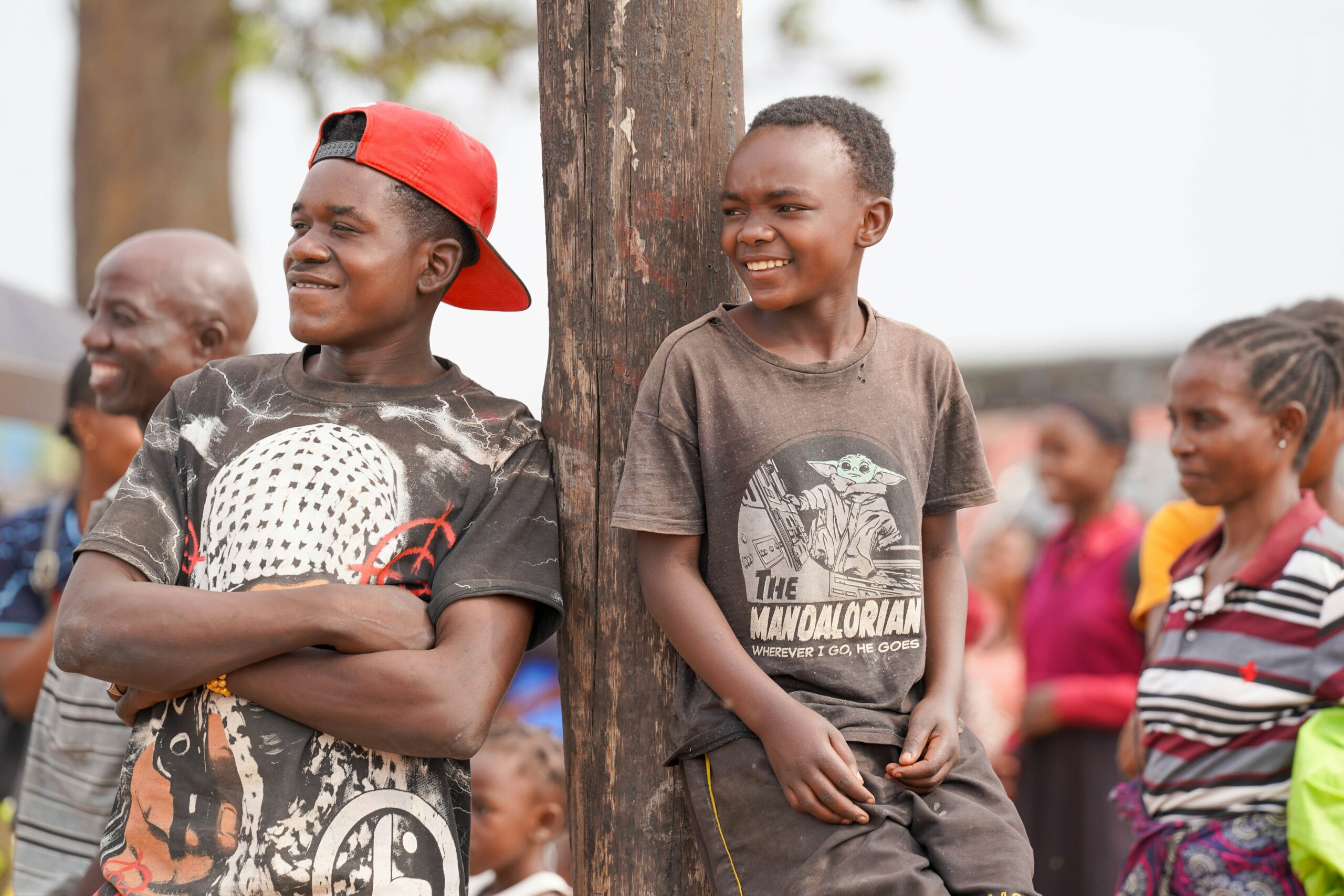
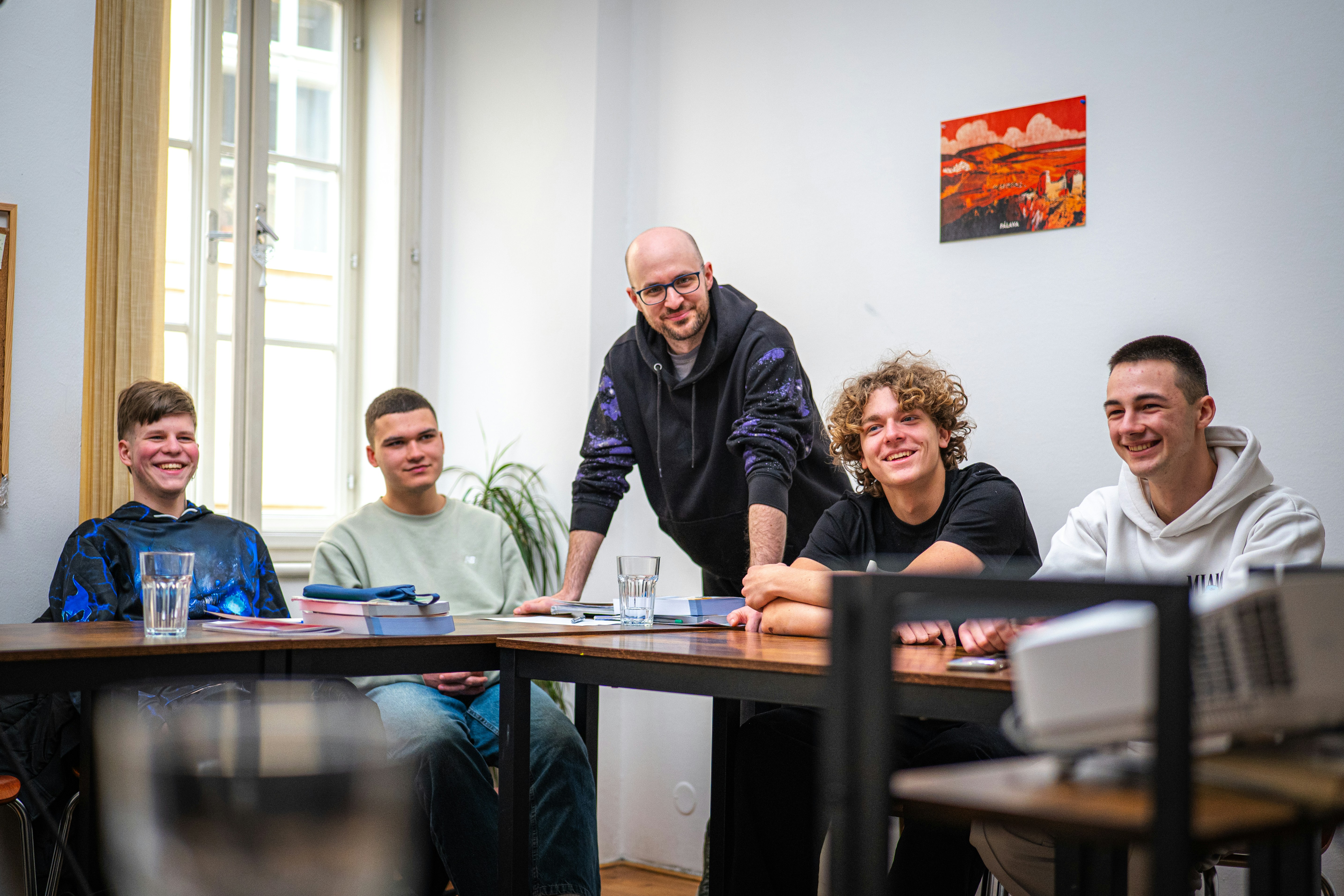
Online misogyny is no longer a fringe safeguarding issue. Ofcom reported in December 2025 that nearly 70% of boys aged 11 to 14 had been exposed to online content promoting misogyny and other harmful views.1 That does not mean seven in ten boys agree with what they see. Exposure is not the same as belief. But repeated content can influence what feels normal, humorous, desirable or true – especially when it is wrapped in messages about confidence, money, fitness or male success.
The term “manosphere” covers a wide range of online communities focused on men’s issues, masculinity, self-improvement and gender politics. Ofcom’s 2025 qualitative research found that the space is not one single ideology: different subcultures attract people for different reasons, and misogynistic views may circulate alongside apparently practical or motivational content.2 That complexity is exactly why blunt warnings often fail.
The hook is not always hatred
A boy may first engage with content about exercise, dating, discipline, money or feeling overlooked. Some influencers offer simple explanations for painful experiences: rejection is women’s fault; empathy is weakness; control earns respect; relationships are transactions. The message can feel certain at a time when adolescence feels uncertain.
If an adult responds only by calling the boy toxic, foolish or dangerous, the conversation may close. Challenge is necessary, but humiliation is counterproductive. A better response separates the young person from the harmful idea: “I can understand why that message caught your attention. Let’s look at what it is claiming, who benefits from it and what it leaves out.”
Online content can travel into offline relationships
Ofcom’s Children’s Register of Risks explains that online harm can be cumulative and indirect. Content may affect attitudes or behaviour in ways that lead children to harm others or be harmed themselves. Ofcom explicitly recognises online misogyny as cutting across abuse, hate and wider violence against women and girls.3
This matters in everyday settings. Harmful beliefs can surface as sexist “jokes”, pressure for intimate images, hostility towards girls, entitlement in dating, harassment of female teachers, or confusion about consent and control. The revised statutory Relationships, Sex and Health Education guidance, which takes effect from September 2026, gives greater emphasis to challenging harmful online myths, helping boys identify positive role models and teaching healthy relationships without stigmatising boys for being boys.4
What trusted adults can do
First, stay curious about what young people are actually seeing. Asking “Who do you follow?” is less useful than asking what they like about that person, which clips they remember and whether the creator ever contradicts themselves. The goal is not surveillance; it is to understand the emotional promise behind the content.
Second, teach young people to examine the business model. Outrage, fear and certainty can drive attention. Attention can sell subscriptions, courses, products and status. A creator may profit when followers feel inadequate or angry. Media literacy becomes more powerful when young people can see not only whether a claim is true, but why it was placed in front of them.
Third, offer credible alternatives. Boys need men and women who model respect, accountability and emotional range in real life. They need spaces to discuss rejection, loneliness, body image, sex, ambition and identity without ridicule. Positive masculinity is not a slogan. It is experienced through coaches, fathers, uncles, youth workers, teachers, employers and peers who show that confidence does not require domination.
Finally, be clear about boundaries. Curiosity does not mean neutrality about abuse. Adults can listen to why a message appeals while stating plainly that coercion, harassment and dehumanising language are unacceptable. Healthy relationships require consent, equality, care and the ability to hear “no” without retaliation.
Do not leave boys to the algorithm
Integrate Hope’s healthy-relationships and boys’ development work is built around early, culturally sensitive conversation. We want boys and young men to have places where difficult questions can be explored before harmful ideas harden into behaviour. That includes challenging misogyny while also taking boys’ loneliness, uncertainty and need for belonging seriously.
The revised national guidance is important, but schools cannot carry this work alone. Families, youth organisations, sports settings, faith and community leaders, digital platforms and young people themselves all have a role. If we want healthier relationships, we must give young people more than a list of online dangers. We must help them build the judgment, empathy and real-world connection needed to choose something better.
Instead of asking only “Is this influencer bad?”, ask: “What is this content teaching a young person about power, women, men, consent and their own worth?”
Sources
- 1 Ofcom (2025), Online Safety Industry Bulletin: December 2025
- 2 Ofcom (2025), The manosphere unmasked: experiences of engaging with the manosphere
- 3 Ofcom (2025), The causes and impacts of online harms to children
- 4 Department for Education (2025), Misogynistic myths kicked out of classrooms to protect children
- 5 Greater London Authority (2026), Talking to young men and boys about the manosphere: conversation guide