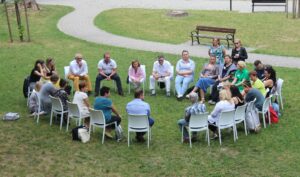
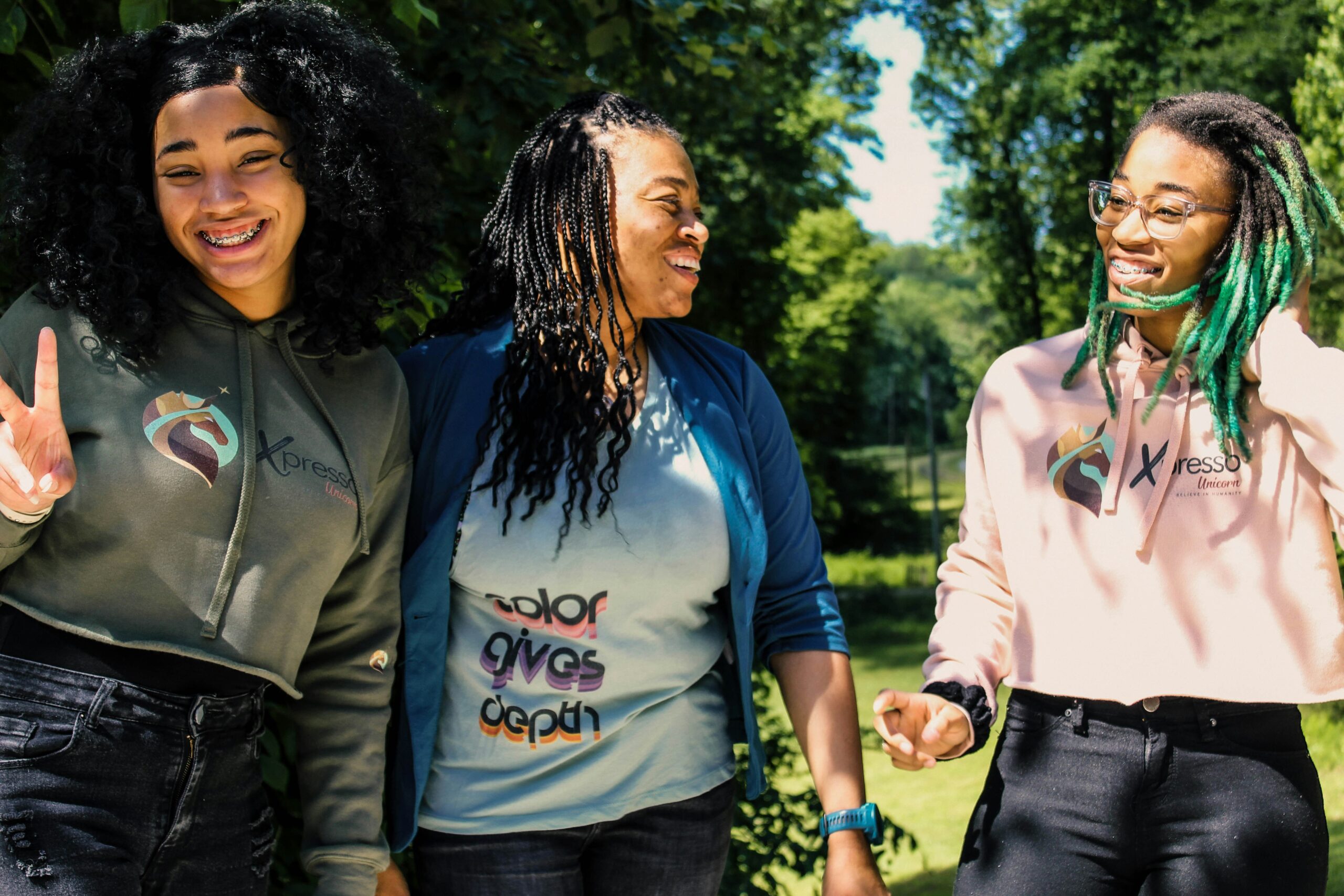

There is a significant difference between designing something for a community and designing it with a community.
At Integrate Hope, we believe people with lived experience bring knowledge that cannot be learned solely from reports, qualifications or professional training.
They understand where systems become difficult to navigate, why someone might hesitate to ask for help, and cultural and practical barriers that can easily be missed.
Listening before delivering
Community-led work starts with listening.
That means creating genuine opportunities for people to tell us what they need rather than assuming we already know.
Feedback can influence how a programme is delivered, when sessions take place, what subjects are covered and even who is best placed to deliver them.
This isn’t consultation for the sake of consultation. It is about creating better services.

Experience can become leadership
We also believe people should have opportunities to move beyond participation.
Someone may initially engage because they need support. Over time, they might become a volunteer, mentor, advocate or community leader.
That progression is powerful because communities begin developing their own capacity.
Professional knowledge and lived experience belong together
Valuing lived experience does not mean disregarding professional expertise. We need both.
Safeguarding, governance, evidence, professional standards and specialist knowledge matter enormously. But those things become stronger when combined with the realities of people’s lives.
At Integrate Hope, our ambition is to continue building programmes where communities have a meaningful voice in what we create.
The people closest to an issue should never be the furthest away from the conversation about how to address it. Lived experience isn’t an afterthought. It is expertise.