


Economic abuse is a form of domestic abuse in which a perpetrator restricts, exploits or sabotages another person’s money and economic resources. It can involve controlling a bank account, taking wages, creating debt in someone else’s name, interfering with work, withholding child maintenance, denying access to benefits or destroying property. Because the behaviour is often presented as budgeting, family duty or a private disagreement, it can remain hidden for years.
New UK research from Surviving Economic Abuse illustrates the scale. In the preceding 12 months, one in seven UK women had experienced at least one economically abusive behaviour from a current or former partner – an estimated 4.1 million women. The study also found that 1.2 million women had experienced a partner or former partner controlling their personal bank account.1 These are survey estimates, not administrative counts, but they expose a form of harm that is too often treated as secondary to physical violence.
Control can continue after separation
Leaving a relationship does not necessarily end economic abuse. A former partner may refuse agreed payments, manipulate child maintenance, run up joint debts, obstruct the sale of a home, misuse court processes or repeatedly interfere with employment. The financial consequences can last long after direct contact has reduced, affecting housing, credit, food, heating and a survivor’s ability to rebuild.
This is why advice that simply tells a survivor to “just leave” can be dangerous and unrealistic. Safety planning must include money, documents, housing, debt, digital access and benefits. It must also respect the survivor’s own assessment of risk.
Economic abuse is not experienced equally
The same national study found that Black, Asian and other ethnically minoritised women were more than twice as likely as White women to experience economic abuse. Almost one in three were affected, equivalent to an estimated 1.1 million women. Reported tactics included control of personal bank accounts, denial of online login details, withholding identity documents, theft and interference with benefits.1
These disparities should not be explained through culture alone. Perpetrators can deliberately exploit structural inequalities, racism, language barriers, isolation and distrust of authorities. The research also highlights culturally specific tactics, including the control of jewellery or gifts and dowry-related abuse. A culturally responsive service must therefore understand both the abuse inside the relationship and the systems outside it that can make escape harder.
Immigration status can be weaponised
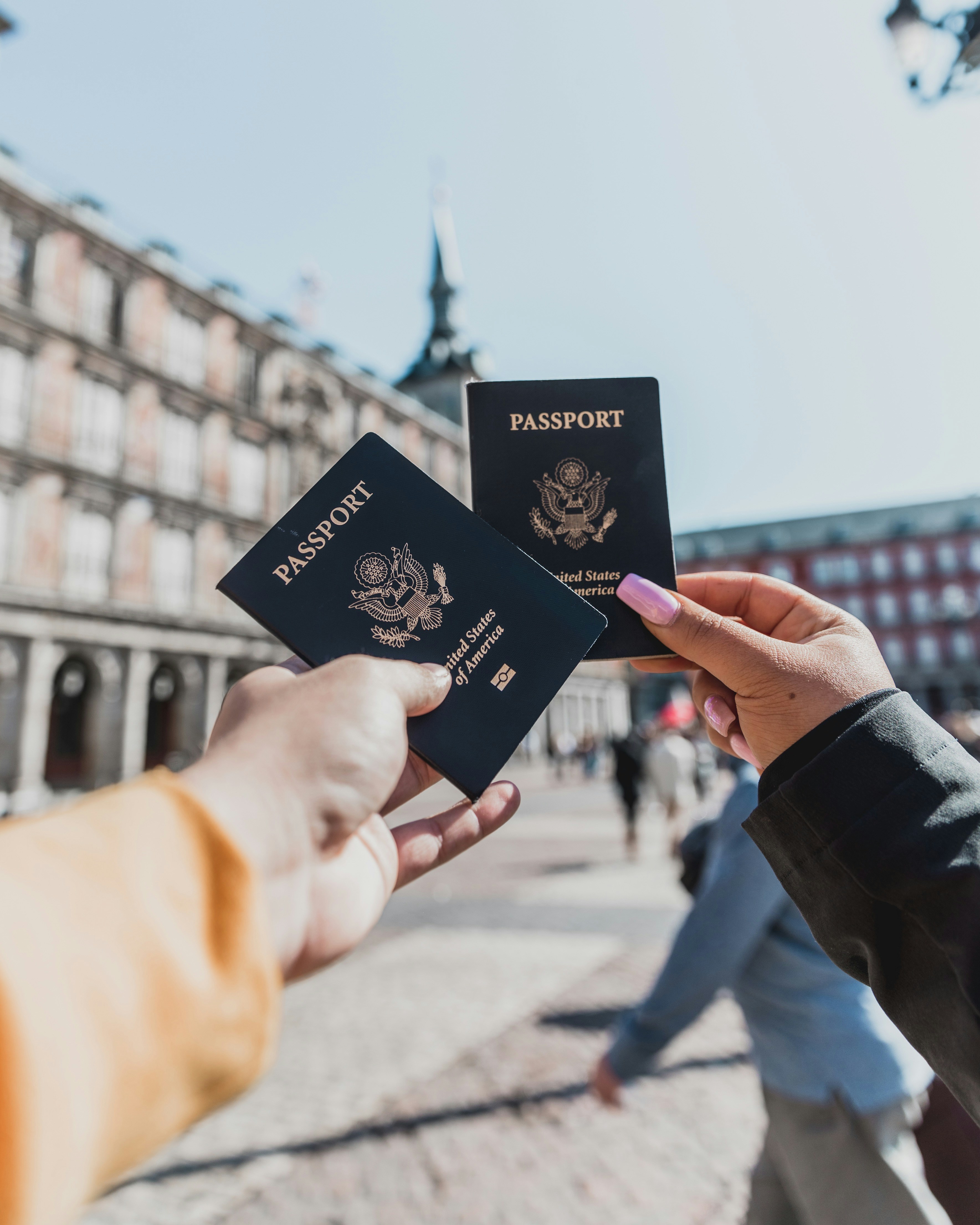
For some migrant survivors, a perpetrator controls access to passports, visa information, money and communication. They may falsely claim that reporting abuse will lead to deportation or the loss of children. A person with no recourse to public funds may face severe restrictions on access to welfare support and safe accommodation. The Domestic Abuse Commissioner has estimated that around 32,000 survivors with NRPF would come forward each year if support were available.2
Women’s Aid’s Nowhere to Turn 2025 report documents the structural barriers facing survivors who need refuge or other safe accommodation, including those with NRPF. It also examines the Migrant Victims of Domestic Abuse Concession introduced in 2024 and gaps in statutory responses.3 The lesson for frontline organisations is clear: immigration status must never be used as a reason to dismiss a disclosure or leave someone without a safe referral.
What organisations should notice
Economic abuse may be present when someone has no access to their own wages, cannot explain debts in their name, is prevented from working or studying, has their phone or online banking monitored, must account for every purchase, lacks access to identity documents, or repeatedly has no money for essentials despite household income. No single sign proves abuse; patterns of fear, restriction and control matter.
A safe response begins privately and without judgment. Ask what the person is worried will happen if they make a financial decision. Check whether it is safe to send messages or paperwork. Do not contact a partner or family member to “clarify”. Offer an interpreter who is independent of the family where needed, and refer to specialist domestic-abuse, immigration, housing and financial services rather than expecting the survivor to navigate each system alone.
Financial independence is part of recovery
Integrate Hope’s work with women has shown why recovery support must extend beyond crisis. Through programmes such as WEAR and Restore, conversations about healthy relationships can sit alongside safeguarding, confidence, legal information, ESOL, education, employability and routes into work. Those elements are connected: language, income, digital access and trusted advice can all increase a survivor’s choices.
Economic abuse thrives when control is mistaken for normality and systems are too fragmented to respond. Naming the behaviour helps. So does practical, culturally sensitive support that treats financial safety as part of physical and emotional safety. Survivors deserve not only to escape harm, but to regain the resources, agency and opportunity needed to build a life beyond it.
If someone controls your wages, hides your passport, damages your credit or withholds money for essentials, that is not simply “being strict with money”. It may be economic abuse.
Support and safety
If there is immediate danger, call 999. In England, the National Domestic Abuse Helpline is available free, 24 hours a day, on 0808 2000 247. Specialist organisations can also advise on economic abuse and immigration-related barriers.
Sources
- 1 Surviving Economic Abuse (2025), Counting the Cost: The Scale and Impact of Economic Abuse in the UK
- 2 Domestic Abuse Commissioner for England and Wales (updated 2024), Migrant survivors
- 3 Women’s Aid (2025), Nowhere to Turn 2025
- 4 Refuge (accessed 2026), National Domestic Abuse Helpline
- 5 Surviving Economic Abuse (accessed 2026), Financial Support Line and Tools